From Concept to Creation: The Process of Designing Effective Event Materials


Understanding the Vision
Designing effective event materials begins with understanding the core vision of the event. This involves collaborating with event organizers to grasp the theme, purpose, and target audience. By aligning the design process with these key elements, designers can create materials that resonate with attendees and enhance the overall experience.
Clear communication with stakeholders ensures that the design team has a well-defined direction. This step often includes brainstorming sessions and mood boards to explore visual possibilities that align with the event's goals.

Research and Inspiration
Once the vision is clear, the next step is research and gathering inspiration. This involves looking into current design trends, understanding competitor materials, and identifying what has been successful in similar events. Inspiration can come from various sources, such as art, fashion, and technology, providing a fresh perspective on the design approach.
Designers often create a collection of inspirational images, color palettes, and typography styles that can be used as a reference throughout the design process. This helps in maintaining consistency and cohesiveness across all event materials.
The Design Process
With a solid foundation in place, designers can start creating initial concepts. This typically involves sketching ideas and developing digital drafts. The goal is to translate the event's vision into tangible design elements like logos, banners, brochures, and social media graphics.

Feedback loops are essential during this phase. Designers work closely with stakeholders to refine concepts, ensuring that every design element aligns with the event's objectives. This collaborative process often includes multiple iterations to achieve the desired outcome.
Production and Printing
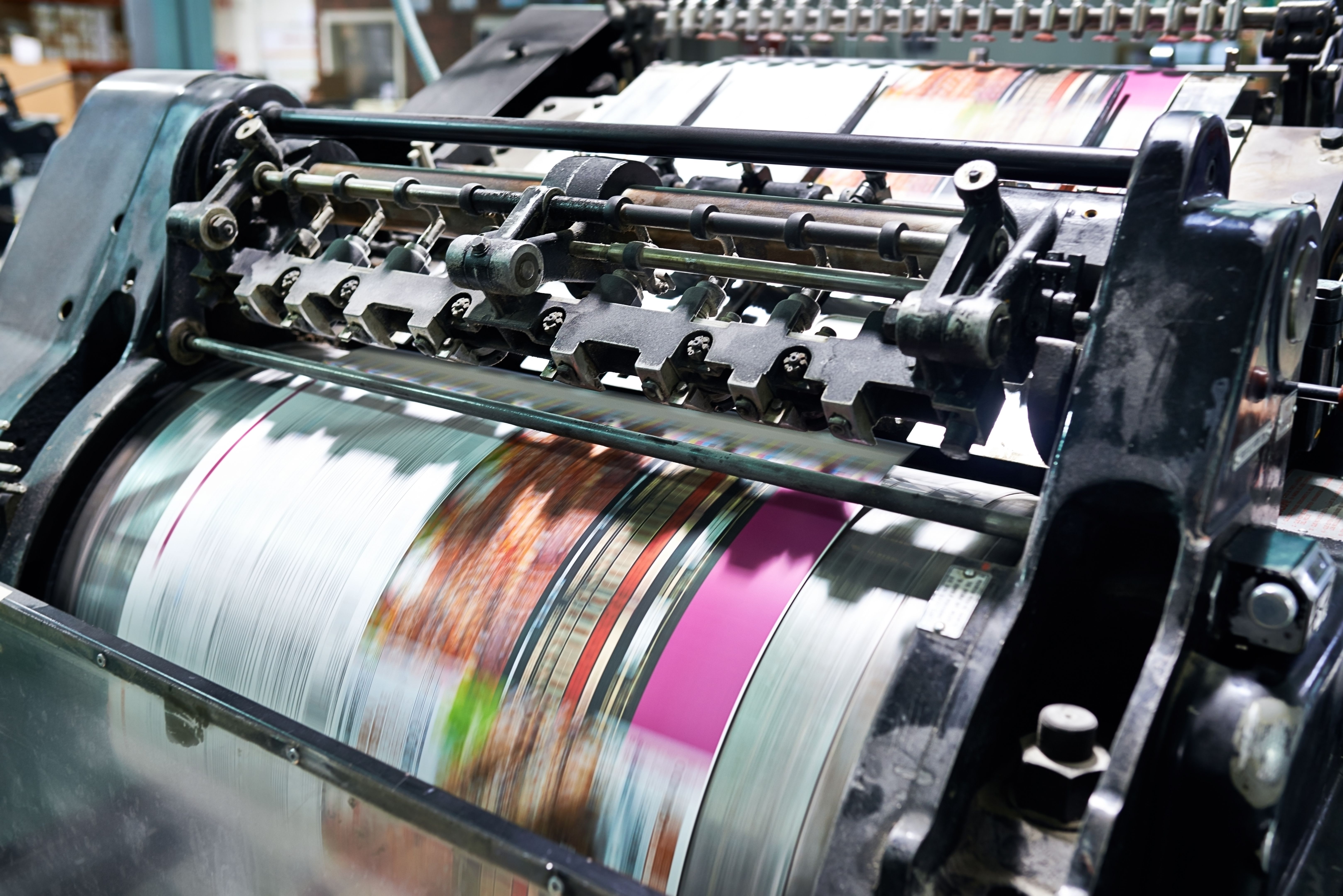
Once the designs are finalized, the next step is production and printing. This involves selecting the right materials, finishes, and printing techniques to ensure high-quality results. Choices such as paper type, ink, and special finishes can significantly impact the final look and feel of the materials.
Working with reliable vendors is crucial to meet deadlines and maintain quality standards. Effective communication with printers and manufacturers ensures that the vision is accurately translated from digital designs to physical products.
Implementation and Feedback
With the event materials ready, the focus shifts to implementation. This involves distributing materials across various platforms and ensuring they are available to attendees in both physical and digital formats. Consistency across all materials, from invitations to social media posts, strengthens the event's branding.
Post-event feedback is a valuable part of the design process. Gathering insights from attendees and stakeholders helps identify what worked well and areas for improvement. This feedback loop is essential for refining future design projects and enhancing overall effectiveness.
Continual Improvement
The process of designing event materials is an ongoing journey of learning and improvement. Each event provides unique challenges and opportunities for creativity. By analyzing past projects and incorporating feedback, designers can continually enhance their skills and deliver more impactful materials.
Ultimately, successful event materials are those that not only meet the immediate needs of the event but also leave a lasting impression on attendees, contributing to the event's overall success and memorability.